
If your senior dog is suddenly peeing all over the house, it can feel confusing, frustrating, and concerning at the same time.
Dogs that were once well-trained may begin having accidents for reasons that go far beyond behavior, especially in their later years.
Table of Contents
Old Dog Peeing Everywhere: Why It Happens
An old dog peeing everywhere often happens because they either cannot physically control their bladder or are producing more urine than usual due to illness. This combination leads to frequent accidents, even in dogs that have been reliably house-trained for years.
This is caused by medical issues such as urinary tract infections, kidney disease, diabetes, or age-related loss of bladder control, rather than intentional behavior problems.
As dogs age, their ability to hold urine can weaken, and underlying health conditions can increase urine production or urgency. In some cases, cognitive decline may also play a role, making it harder for dogs to remember house training.
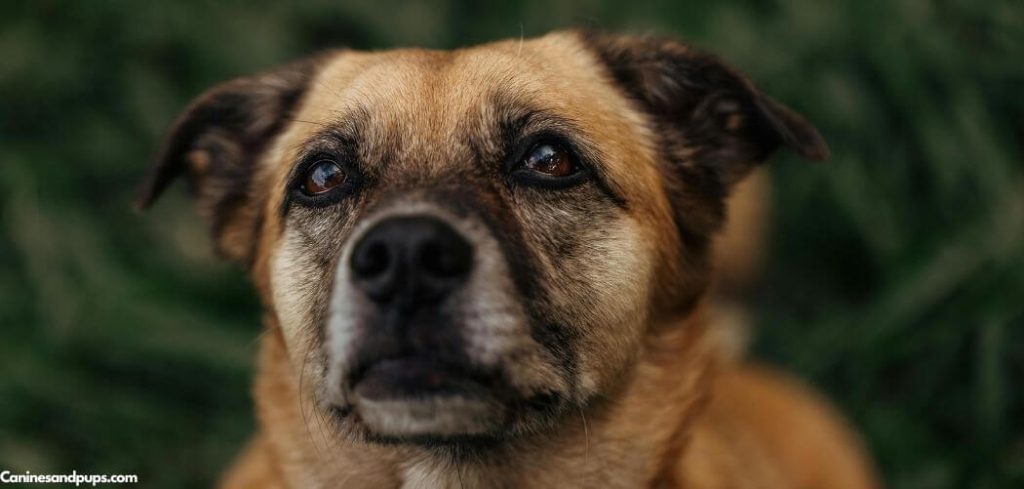
Old Dog Peeing Everywhere: Signs
When an older dog starts peeing everywhere, signs include:
Frequent urination in multiple areas of the house
Accidents despite being previously house-trained
Dribbling urine or leaving small puddles
Increased thirst alongside more frequent urination
Restlessness or urgency to go outside
Possible odor or damp fur around the hindquarters
Old Dog Peeing Everywhere: Common Causes
Loss of Bladder Control
One of the most common reasons an old dog starts peeing everywhere is simple age-related bladder weakness.
As dogs get older, the muscles that control urine storage and release gradually lose strength. This makes it harder for senior dogs to hold urine for normal periods, especially overnight or between potty breaks.
Because this loss of control develops slowly, accidents may start happening in multiple areas of the house rather than in one consistent spot.
Read more: Old Dog Incontinence (Understanding why it happens)
Hormonal Changes and Incontinence
Hormonal imbalance plays a significant role in urinary accidents in senior dogs.
Lower estrogen levels in spayed females and reduced testosterone in neutered males can weaken the urethral sphincter. When this muscle cannot stay tightly closed, urine may leak unpredictably while the dog is walking, resting, or sleeping.
This type of incontinence often leads to urine appearing in random places rather than during intentional squatting or marking behavior.
Urinary Tract Infections
Urinary tract infections are a frequent cause of sudden, widespread urination in older dogs.
Infections irritate the bladder lining, creating a constant urge to urinate even when the bladder is not full. This results in frequent attempts to pee, accidents indoors, and sometimes dribbling urine between bathroom trips.
Senior dogs are more prone to UTIs due to weaker immune defenses and underlying conditions that affect bladder health.
Kidney Disease
Medical conditions that increase urine volume often lead to accidents throughout the home.
Kidney disease, diabetes, and other metabolic disorders cause dogs to produce larger amounts of dilute urine. Even dogs that are well house-trained may be unable to keep up with the increased need to urinate.
As the bladder fills more quickly, accidents occur in multiple locations simply because the dog cannot physically hold the urine long enough.
Cognitive Dysfunction
Mental decline can contribute significantly to inappropriate urination.
Dogs with cognitive dysfunction may forget where they are supposed to eliminate or fail to recognize indoor spaces as inappropriate places to pee. They may wander, become disoriented, and urinate wherever they happen to be standing.
This condition is often accompanied by other signs such as pacing, staring, altered sleep patterns, or confusion.
Pain
Pain can interfere with normal bathroom habits in older dogs.
Dogs with arthritis, spinal disease, or hip pain may struggle to get up quickly, reach the door in time, or maintain a proper posture to urinate outside. As a result, they may release urine before they can fully position themselves.
These accidents are often misinterpreted as behavioral when they are actually driven by physical discomfort.
Bladder Stones or Tumors
Structural problems within the urinary tract can cause frequent and uncontrolled urination.
Bladder stones or tumors irritate the bladder wall and reduce its ability to hold urine comfortably. This irritation creates urgency and frequent leakage, sometimes accompanied by straining or discomfort.
In senior dogs, these conditions must be ruled out promptly, especially if accidents appear suddenly or worsen rapidly.
Stress
Emotional stress can also trigger urinary accidents in older dogs.
Senior dogs often become more sensitive to changes in routine, environment, or household dynamics. Stress can lead to loss of bladder control or submissive urination, particularly in dogs already dealing with age-related muscle weakness.
When stress is combined with medical vulnerability, accidents may become widespread and unpredictable.
Read more: Old Dog Peeing in Sleep (Is it normal or a warning sign?)
When to Call or Visit Your Vet
If your old dog is peeing everywhere, you should consult your vet if the behavior starts suddenly or worsens over time.
Frequent urination combined with increased thirst is a strong indicator of an underlying medical condition and should be evaluated promptly.
Seek immediate care if your dog is straining to urinate, producing very little urine, or showing signs of pain, as this could indicate a blockage or severe infection.
Blood in the urine, vomiting, lethargy, or weight loss are also warning signs that require urgent attention.
Even if your dog seems otherwise normal, ongoing accidents are not just a normal part of aging and should be investigated.
Old Dog Peeing Everywhere: Treatment
Treatment focuses on identifying the cause of the increased urination. Your vet will typically perform urine tests and bloodwork to check for urinary tract infections, kidney disease, diabetes, or hormonal imbalances.
Treatment may include antibiotics for infections, medications to improve bladder control, or management of underlying conditions through diet and medication.
In cases of age-related incontinence, specific medications can help strengthen bladder function.
Supportive care—such as more frequent bathroom breaks, maintaining hygiene, and using protective bedding—can also help manage the condition and keep your dog comfortable.
Key Takeaway
An old dog peeing everywhere is often a sign of an underlying medical or age-related issue rather than a behavioral problem.
With the right care, many of these causes can be managed effectively, helping your dog stay comfortable and maintain a good quality of life.
By staying observant, acting early, and working closely with your veterinarian, you can support your dog through this change with patience and compassion.


